


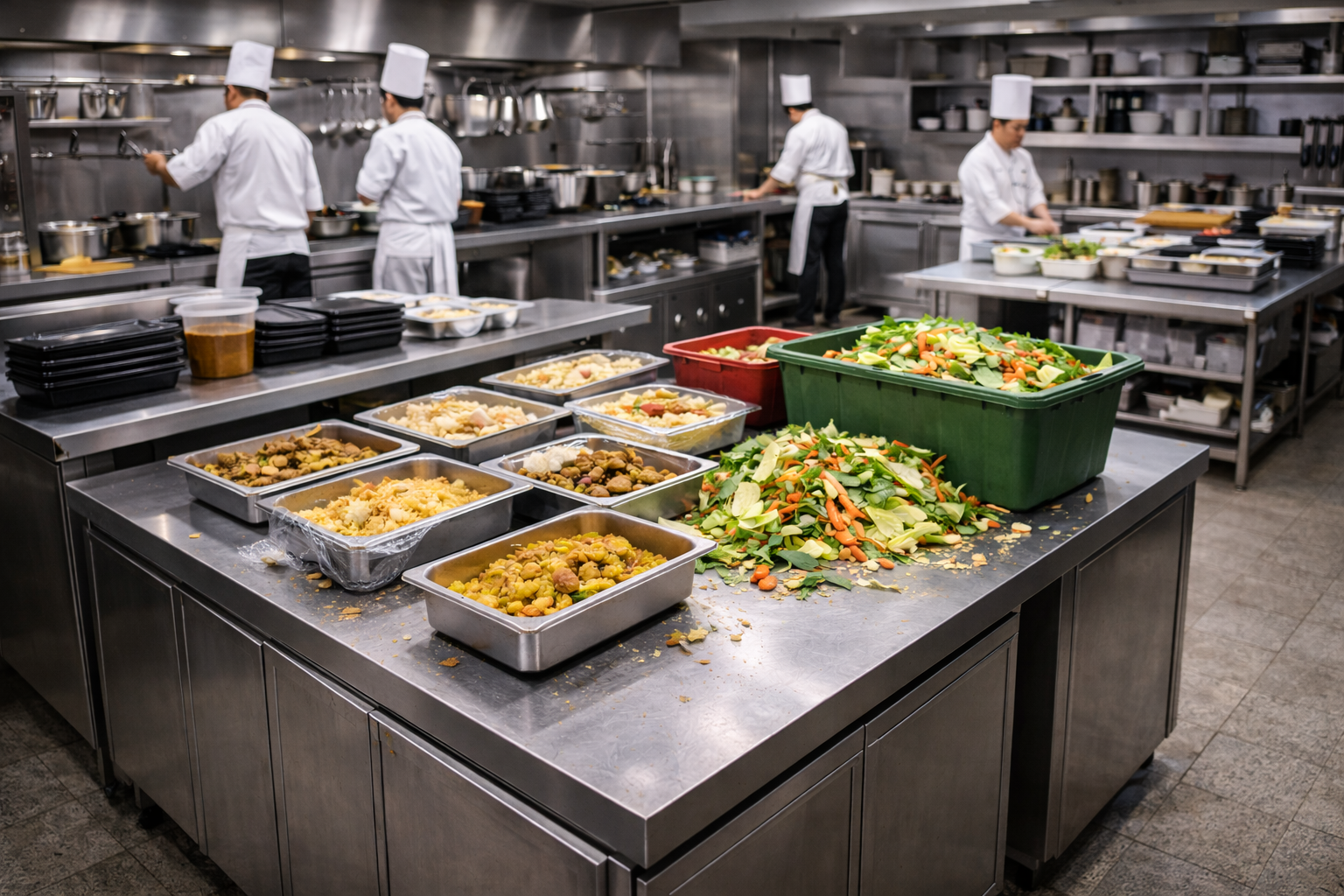
Wastage Variance: Unlocking Efficiency in F&B Operations with Effective Waste Management
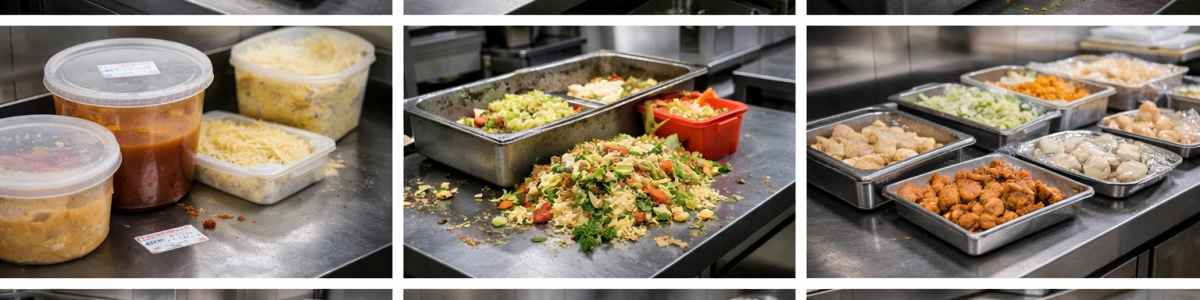
In the fast-paced food and beverage (F&B) industry, controlling costs and maximizing profit margins hinge heavily on managing wastage variance effectively. Wastage variance refers to the difference between the expected and actual quantity of waste generated in food production and operations. High wastage variance can significantly erode profitability and operational efficiency, making it a critical challenge for F&B operators. This article delves into the complexities of wastage variance, explores its root causes, and presents actionable strategies, including how advanced solutions like Codemax Smart F&B ERP can help optimize waste management and reduce financial losses.
The Challenge of Wastage Variance in F&B
Wastage in F&B operations manifests in multiple forms: spoiled ingredients, overproduction, portion control errors, expired stock, and inefficient use of materials. According to industry studies, food waste can account for as much as 4-10% of total operating costs in a typical commercial kitchen, impacting cash flow and sustainability goals. Wastage variance occurs when actual waste surpasses forecasted levels, signaling inefficiencies in inventory and production processes that lead to excess cost and lost revenue.
These fluctuations often go unnoticed without precise tracking and analysis, resulting in blind spots that prevent timely corrective action. For instance, a central kitchen preparing bulk meals without standardized portioning or real-time inventory control can experience significant discrepancies between expected and actual wastage.
Why Wastage Variance Happens
Several factors contribute to wastage variance in F&B operations:
- Inaccurate Forecasting: Poor demand forecasting leads to overordering and overproduction, causing surplus ingredients to spoil.
- Lack of Standardization: Inconsistent recipes and portion sizes increase variability in ingredient usage.
- Inefficient Inventory Management: Weak stock rotation policies and missed expiry dates lead to inventory waste.
- Operational Inefficiencies: Manual tracking and outdated processes limit visibility on waste sources.
- Human Error: Staff training gaps and oversight in portion control amplify waste generation.
- Poor Data Integration: Disconnected systems hinder real-time monitoring of wastage metrics across production lines and retail outlets.
Solutions and Best Practices to Control Wastage Variance
F&B operators can take several strategic steps to reduce wastage variance and improve operational efficiency:
- Implement Standardized Recipes and Portioning: Consistency reduces ingredient overuse and waste. Clear guidelines empower kitchen staff to replicate dish sizes accurately.
- Enhance Demand Forecasting: Use historical sales data and market trends to tailor production volumes more closely to actual demand.
- Adopt FIFO Inventory Practices: “First-In, First-Out” methods ensure older stock is used before expiration, minimizing spoilage.
- Regular Waste Audits: Conduct periodic checks to identify waste hotspots and root causes for continuous improvement.
- Train Staff on Waste Reduction: Educate employees on sustainable practices and correct portioning techniques.
- Track Waste in Real-Time: Deploy systems that capture wastage data during production and at point-of-sale to pinpoint discrepancies immediately.
Technology’s Role in Managing Wastage Variance
Modern ERP systems like Codemax Smart F&B ERP enable comprehensive waste management and traceability throughout the supply chain. Key features include:
- Real-Time Waste Tracking: Codemax allows operators to monitor waste by category, location, and time, providing actionable insights to reduce wastage.
- Inventory Automation: Automated stock ordering and expiry alerts minimize overstock and spoilage.
- Recipe and Portion Control Software: Codemax supports standardized recipe scaling and batch production, reducing ingredient variability.
- Data Analytics and Reporting: Powerful dashboards analyze wastage variance trends, helping managers make informed decisions.
- Integration Across Operations: Seamless data flow between central kitchens, retail outlets, and warehouses ensures end-to-end visibility and control.
Real-World Impact and Success Stories
F&B operators using Codemax Smart F&B ERP report waste reductions of up to 15-20%, translating to substantial cost savings and enhanced sustainability. For example, a large cloud kitchen reduced ingredient spoilage by implementing automated inventory alerts and waste tracking features, achieving a 10% improvement in gross margins within six months. Another restaurant chain optimized portion control with Codemax’s recipe management tools, lowering food waste and improving customer satisfaction through consistent dish quality.
Common Mistakes to Avoid
- Ignoring the importance of data in waste management.
- Relying solely on manual tracking methods.
- Underestimating staff training on waste reduction.
- Treating waste management as a one-time project instead of an ongoing process.
- Overlooking technology solutions that provide measurable impact
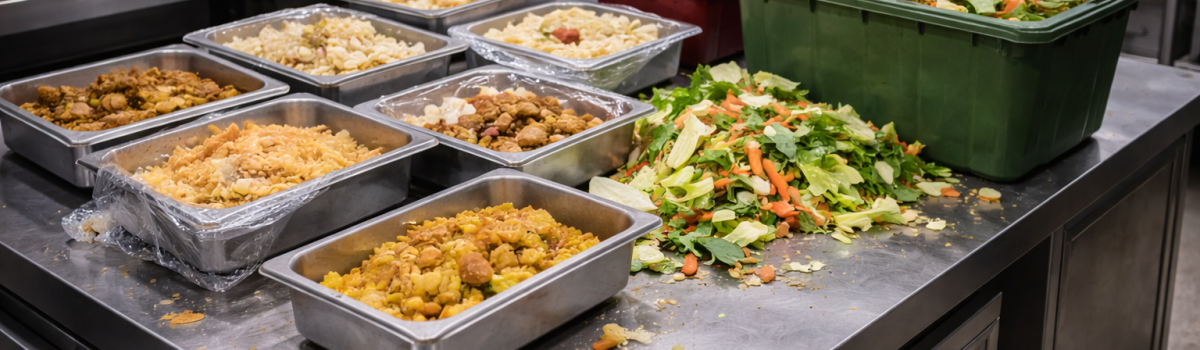
Conclusion
Effectively managing wastage variance is essential for F&B operators aiming to boost profitability, operational efficiency, and sustainability. Key takeaways include:
- Wastage variance significantly impacts costs but can be controlled through standardized procedures and better forecasting.
- Real-time tracking and automated inventory management help prevent overproduction and spoilage.
- Technology solutions like Codemax Smart F&B ERP provide the tools needed for comprehensive waste reduction strategies.
- Continuous staff training and process optimization are critical to sustaining improvements.
As the F&B industry evolves, adopting intelligent waste management practices will become increasingly important for staying competitive. Learn how Codemax Smart F&B ERP can help optimize your F&B operations by delivering precise wastage variance control and driving measurable efficiency gains.