



Central Kitchen ERP: Streamlining Food Production for Modern F&B Operations
In the competitive and fast-paced food and beverage industry, central kitchens play a pivotal role in enabling restaurant chains, cloud kitchens, and food manufacturers to deliver consistent and quality meals at scale. However, managing the complexities of centralized food production without the right technology can quickly lead to inefficiencies, waste, and compliance risks. This is where central kitchen ERP (Enterprise Resource Planning) systems become game changers, offering end-to-end control over processes, inventory, and operations. In this article, we dive deep into the challenges faced by centralized kitchens and explore how a modern central kitchen ERP solution like Codemax Smart F&B ERP optimizes workflow, reduces waste, and ensures traceability for sustainable growth.
The Challenge of Centralized Kitchen Management
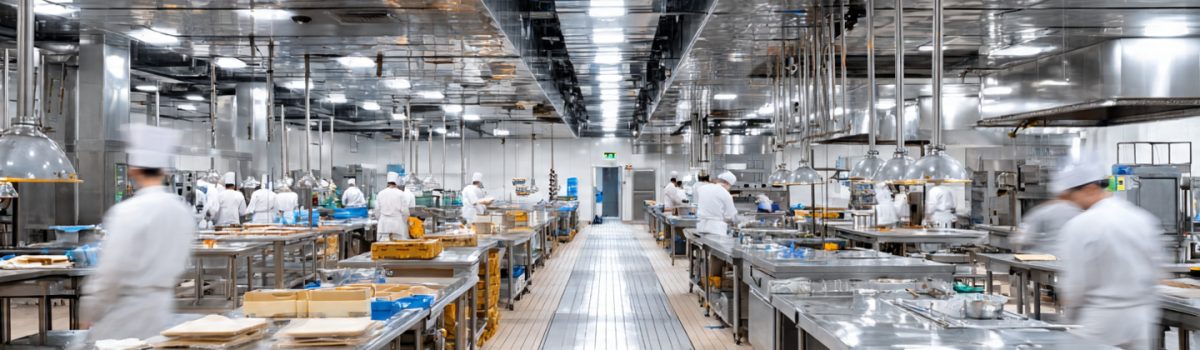
Operating a central kitchen involves orchestrating multiple production lines, coordinating bulk ingredient procurement, standardizing recipes, and fulfilling orders for numerous retail outlets or delivery hubs. This scale introduces vulnerabilities such as:
- Risk of production bottlenecks causing delays in order fulfillment
- Difficulty maintaining consistent food quality and portion sizes
- Inventory shrinkage from manual stock tracking errors or spoilage
- Challenges in scaling operations while adhering to food safety compliance
- Inefficient manual scheduling and labor management leading to cost overruns
Without centralized data and automated workflows, kitchens struggle with visibility into key performance metrics and timely corrective actions.
Why These Challenges Arise
Central kitchens are inherently complex due to their scale and diversity of tasks. Traditional manual or siloed software tools fail to integrate all aspects, making it difficult to:
Synchronize recipe scaling with available stock levels and production schedules
- Track expiry dates and inventory movement accurately
- Monitor real-time production yields and deviations from standards
- Ensure compliance with HACCP and regulatory food safety audits
- Forecast demand and adjust purchasing dynamically to prevent overstock or shortages
These gaps lead to operational inefficiencies, food wastage, and increased costs, undermining profit margins and customer satisfaction.
Solutions & Best Practices for Central Kitchen Efficiency
- Implement a Unified Central Kitchen ERP System: Leverage a comprehensive platform that integrates inventory management, production scheduling, quality control, and order fulfillment in real-time.
- Standardize Recipes and Production Procedures: Use recipe software tools linked to production lines for consistent batch outputs and portion control.
- Enable Automated Stock Ordering: Deploy smart reorder triggers based on actual consumption and forecasted demand to reduce stockouts and excess.
- Monitor Compliance with Digital Audit Trails: Centralized logging of sanitation, temperature control, and process checks help maintain food safety and simplify audits.
- Optimize Labor and Shift Scheduling: Integrate labor management modules to align staffing levels with production demand, minimizing overstaffing or shortage scenarios.
Technology’s Role: How Central Kitchen ERP Transforms Operations
Modern ERP systems like Codemax Smart F&B ERP empower central kitchens with data-driven decision-making by providing:
- Real-Time Inventory Traceability: Track raw materials to finished goods to minimize wastage and control costs.
- Production Line Visibility: Dashboards for yield management and bottleneck identification enhance operational flow.
- Seamless Retail Integration: Orders and deliveries synchronize with retail POS systems ensuring timely fulfillment.
- Automated Compliance Management: Digital documentation and alerts reduce food safety risks and audit stress.
- Advanced Analytics and Forecasting: Demand planning tools help optimize procurement, production, and labor efficiently.
By automating and connecting critical workflows, ERP platforms reduce manual errors, boost productivity, and improve scalability.
Real-World Impact: Central Kitchen ERP in Action
Leading food manufacturers and cloud kitchens have reported tangible results using Codemax Smart F&B ERP, including:
- 20% reduction in food waste through accurate inventory tracking and expiry alerts
- 15% increase in production efficiency by identifying and eliminating bottlenecks
- Enhanced food safety compliance with streamlined HACCP documentation
- Labor cost savings up to 10% by aligning staffing with real-time production needs
- Faster order fulfillment leading to improved customer satisfaction and repeat business
These benefits translate to stronger profit margins and competitive advantage in dynamic market conditions.
Common Mistakes to Avoid
- Relying on fragmented systems or spreadsheets that increase data errors and lack integration
- Neglecting staff training on ERP usage causing underutilization of technology
- Failing to standardize recipes and workflows before digitization
- Overlooking the importance of supplier integration for seamless stock replenishment
- Ignoring data analytics and insights for continuous process improvement
Conclusion
Central kitchen ERP systems are essential enablers for food and beverage operators aiming to scale efficiently while maintaining quality, traceability, and compliance. Key takeaways include:
- Centralized control reduces waste, delays, and inventory inaccuracies
- Automation drives operational consistency and labor optimization
- Data analytics empower proactive decision-making for demand and production planning
- Integrated food safety and compliance features mitigate regulatory risks
The primary keyword “central kitchen ERP” integrates naturally throughout the operational transformation narrative. As the F&B industry evolves toward smarter, data-driven kitchens, solutions like Codemax Smart F&B ERP will be pivotal in driving sustainable growth and excellence.
Learn how Codemax Smart F&B ERP can help optimize your central kitchen operations for efficiency, compliance, and profitability.