


ERP Pricing for F&B: Choosing the Right System for Your Operations
In the fast-evolving food and beverage (F&B) industry, choosing the right Enterprise Resource Planning (ERP) system is a critical decision that can shape your operational success. ERP pricing varies widely, often leaving operators wondering if the investment aligns with their specific needs. With the complexities of managing central kitchens, retail outlets, inventory, and supply chains, a one-size-fits-all pricing model is rarely effective. This article explores how ERP pricing structures relate to operational fit, guiding F&B businesses to make informed choices that optimize cost control and operational efficiency.
The Challenge of ERP Pricing in F&B Operations
For many F&B operators—from centralized kitchens managing bulk food prep to multi-outlet retail chains—the challenge lies in selecting an ERP that offers value without overspending. ERP pricing can range from fixed monthly fees to customized quotes based on modules and scale. This variation exists because the complexity and needs of different F&B operations vary dramatically. Central kitchens might need batch production software and recipe scaling tools, while retail outlets focus on POS integration and order fulfillment accuracy. Costs can balloon if users pay for unnecessary features or if software lacks scalability.
Why ERP Pricing Varies So Much
Several factors drive ERP pricing fluctuations in the F&B sector:
- Customization: Tailored features for food prep, inventory traceability, and compliance monitoring impact cost.
- User Scale: Larger operations require more user licenses and greater data handling, increasing fees.
- Integration Needs: Connecting ERP with suppliers, POS systems, and forecasting tools adds to complexity.
- Deployment Type: Cloud-based systems often use subscription pricing, while on-premise solutions require upfront investment.
- Support & Upgrades Higher-tier pricing plans include ongoing vendor support, updates, and training.
All these factors reflect the diverse operational needs and underscore why the ERP market offers flexible but varied pricing models.
Solutions & Best Practices for Cost-Effective ERP Investment
Selecting an ERP system that fits your F&B operations without breaking the bank requires strategic evaluation:
- Conduct a Needs Assessment: Map your key operations—from production line software needs to retail inventory turnover—to identify must-have features.
- Prioritize Modules: Choose core functionalities like stock ordering automation and waste reduction first before adding extras.
- Compare Pricing Models: Evaluate total cost of ownership including licensing, implementation, and ongoing maintenance.
- Leverage Scalable ERP: Opt for systems that grow with your business, avoiding early over-investment.
- Request Vendor Demos: Hands-on experience with solutions like Codemax Smart F&B ERP reveals how features address operational challenges.
Technology’s Role in Operational Efficiency and Cost Control
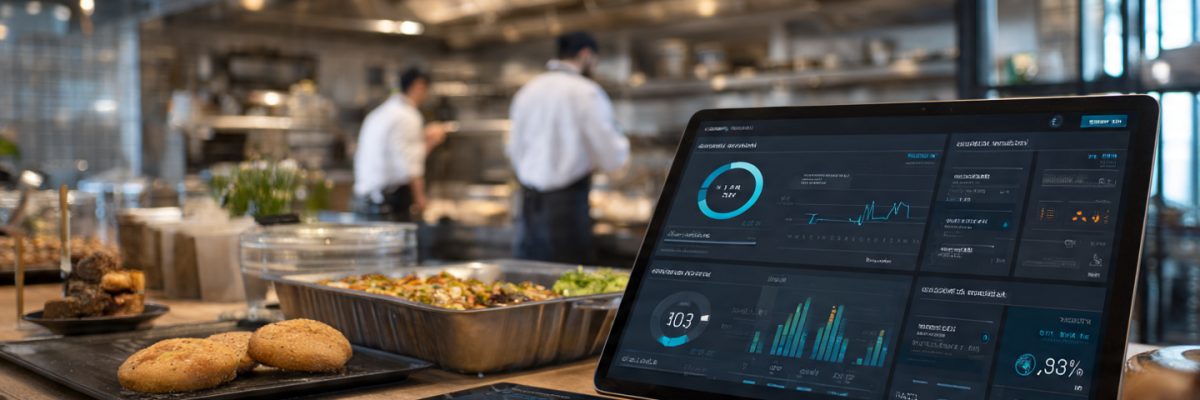
Modern ERP systems like Codemax Smart F&B ERP empower operators with integrated tools to manage inventory, production, and retail seamlessly. By automating stock ordering based on real-time demand forecasting, ERP minimizes stockouts and overstock, directly impacting profit margins. Visibility into food wastage through traceability modules helps reduce spoilage and associated costs. Operational efficiency metrics embedded within ERPs provide actionable insights for labor management and production scheduling—key to controlling overhead and improving scalability.
Real-World Impact: Codemax Smart F&B ERP Case Study
A leading cloud kitchen chain integrated Codemax Smart F&B ERP to unify their central kitchen and multiple retail outlets. The deployment streamlined their inventory flow, reduced food spoilage by 15%, and cut labor costs by 10% through better scheduling and workflow automation. Despite initial concerns about ERP pricing, the sustainable cost savings and increased operational transparency delivered a return on investment within 12 months.
Common Mistakes to Avoid When Considering ERP Pricing
- Ignoring Total Costs: Focus beyond initial license fees to include training, customization, and support.
- Overbuying Features: Avoid paying for modules irrelevant to your operation size or type.
- Neglecting User Experience: Complex interfaces can lead to underutilization and wasted investment.
- Failing to Plan Integration: Ensure the ERP can seamlessly connect with existing software and hardware systems.
Conclusion
Choosing an ERP system with a pricing structure tailored to your specific operations is essential for achieving cost control, operational efficiency, and healthy profit margins. Key takeaways include:
- ERP pricing varies due to customization, scale, and support differences.
- Conducting a thorough operational needs assessment helps prioritize critical features.
- Scalable and integrated solutions deliver better ROI through automation and data-driven insights.
- Avoid common pitfalls by considering total cost of ownership and future integration needs.
As F&B businesses continue embracing digital transformation, forward-looking ERP solutions like Codemax Smart F&B ERP become indispensable in sustaining competitive advantage. Learn how Codemax Smart F&B ERP can help optimize your F&B operations and align pricing with true operational value.