



Automate Manual Tasks with Smart F&B ERP: Streamlining Central Kitchen Operations
In the fast-paced world of food and beverage (F&B) operations, efficiency is a top priority. Manual tasks in central kitchens and food production units can create bottlenecks, cause errors, and drain resources. Automation is no longer just an option but a necessary strategy to improve productivity, reduce errors, and cut costs. This is where central kitchen automation powered by Smart F&B ERP plays a transformative role. It integrates key processes across supply chain, production, inventory, and retail outlets seamlessly. This article explores how automating manual tasks with Smart F&B ERP can revolutionize central kitchen operations and drive operational excellence.
The Challenge of Manual Tasks in Central Kitchens
Central kitchens commonly face operational hurdles rooted in manual processes. Staff often rely on paper-based logs, spreadsheets, and manual stock checks for:
- Recipe scaling and batch production planning
- Inventory management and stock ordering
- Production scheduling and yield monitoring
- Quality control and compliance tracking
- Order fulfillment and coordination with retail outlets
These fragmented manual activities can lead to miscommunication, inconsistent product quality, inventory stockouts or overstocking, delayed orders, and higher labor costs. According to industry benchmarks, manual data entry errors can impact up to 15-20% of kitchen operations, while inefficient scheduling may reduce labor productivity by as much as 25%. For multi-outlet F&B operators, these inefficiencies multiply across locations, eroding profit margins and slowing growth.
Why Manual Processes Persist
Several factors contribute to the reliance on manual workflows in F&B central kitchens:
- Lack of integration between production, inventory, and sales data sources
- Insufficient investment in modern kitchen management technology
- Resistance to change due to perceived complexity or cost of digital solutions
- Skills gaps among staff for handling advanced software systems
- Legacy operational practices inherited from traditional kitchen models
While these challenges are valid, they present opportunities for adopting automation that aligns with the operational realities of F&B businesses, boosting efficiency without compromising quality or compliance.
Solutions & Best Practices to Automate Manual Tasks
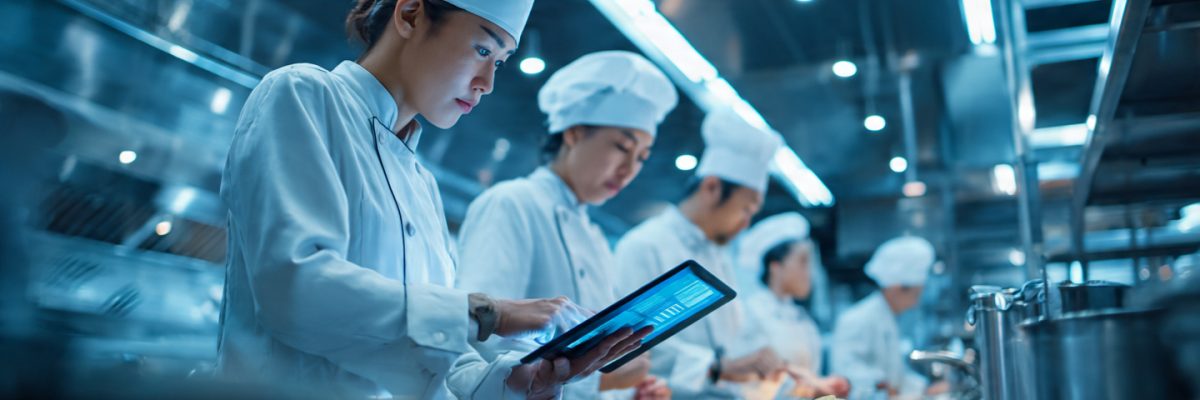
Implement Central Kitchen Automation Software: Modern ERP solutions like Codemax Smart F&B ERP provide centralized platforms that integrate batch production scheduling, recipe scaling, inventory tracking, and order management to eliminate manual handoffs.
Automate Inventory and Stock Ordering: Leverage real-time inventory data with smart stock ordering automation to forecast ingredient demand accurately, place automated purchase orders, and reduce both stockouts and waste.
Standardize Production Processes Digitally: Use digital recipe management and production line software to ensure consistent batch sizes and production quality while tracking yields accurately for cost control.
Enable Digital Quality and Compliance Tracking: Automate audit trails, temperature logging, and hygiene protocol adherence using integrated compliance software modules to reduce risks and meet regulatory requirements effortlessly.
Integrate Retail and Central Kitchen Operations: Seamless integration between central kitchen ERP and retail POS systems enables real-time order status updates, faster fulfillment, and improved customer satisfaction across all outlets.
Technology’s Role: Transforming Central Kitchen Operations
Smart F&B ERP platforms such as Codemax specialize in central kitchen automation by combining:
- Production Line Software: Automates batch cooking, scheduling, and yield optimization to improve throughput and accuracy.
- Inventory Traceability: Tracks raw materials from suppliers to finished goods with real-time visibility to minimize errors and reduce food wastage.
- Smart Stock Ordering Automation: Forecasts demand trends using historical data analytics and places orders automatically, ensuring stock availability without excess.
- Compliance and Quality Control Tools: Embedded systems help enforce food safety protocols and produce detailed audit reports for HACCP and other standards.
- Retail Integration: Connects central kitchen operations with retail outlets’ point-of-sale systems to synchronize order management and inventory flows.
By automating manual tasks through these technologies, F&B operators can realize significant time savings, labor cost reductions, and accuracy improvements that boost profitability.
Real-World Impact: Case Example
A large cloud kitchen operator implemented Codemax Smart F&B ERP to automate its production scheduling and inventory management. Within six months, the operator reported:
- 30% reduction in labor hours spent on manual data entry and order coordination
- 25% decrease in inventory wastage through automated stock ordering and real-time monitoring
- 20% improvement in order fulfillment speed due to integrated kitchen-to-retail workflows
- Enhanced compliance with food safety regulations through digital audit trails
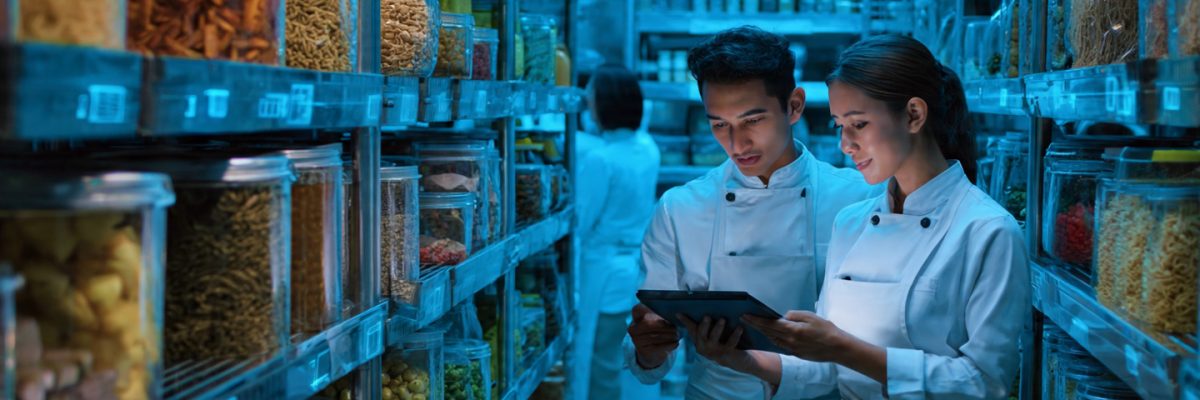
This case clearly demonstrates how central kitchen automation through Smart F&B ERP can deliver measurable operational gains and competitive advantage.
Common Mistakes to Avoid in Automation
- Incomplete Process Integration: Automating only select tasks without linking production, inventory, and sales systems creates new silos and limited ROI.
- Ignoring Staff Training: Lack of user training can result in underutilized ERP features and resistance to technology adoption.
- Over customization: Complex, highly customized software solutions may increase costs and reduce scalability. Opt for flexible yet standardized ERP systems.
Neglecting Data Cleanliness:
Accurate input data is critical; automation amplifies errors if initial data is flawed or outdated.
Conclusion
Automating manual tasks in central kitchens with Smart F&B ERP is essential to overcome operational bottlenecks and drive efficiency in today’s competitive food industry. Key takeaways include:
- Manual processes cause costly delays, errors, and inefficiencies in F&B operations.
- Central kitchen automation standardizes workflows, reduces labor, and improves accuracy.
- Technology like Codemax Smart F&B ERP integrates production, inventory, compliance, and retail seamlessly.
- Real-world results show marked improvements in labor cost savings, waste reduction, and order fulfillment.
The future of F&B operations lies in smart automation solutions that empower operators to scale, adapt, and excel. Learn how Codemax Smart F&B ERP can help optimize your F&B operations by automating manual tasks and transforming kitchen workflows for lasting success.